Champagne and sparkling wine are bottled under pressure and are more sensitive to vibration and temperature swings than still wine. Below are the four points this category usually turns on, with the conditions you can check them against.
What the category usually needs
Conditions you can check
Vibration
Continuous vibration disturbs the liquid, so shippers usually ask for minimal movement and stable storage
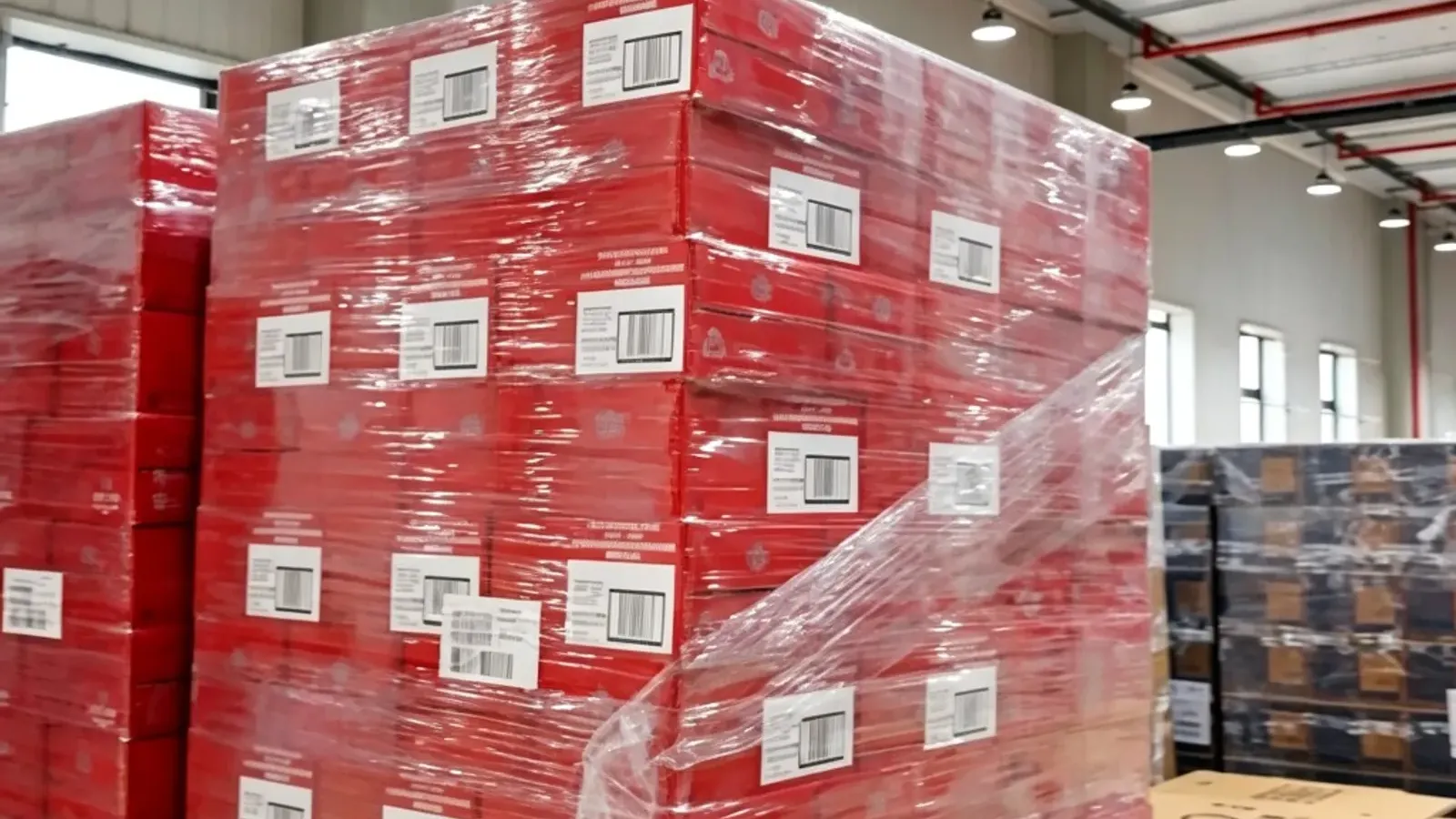
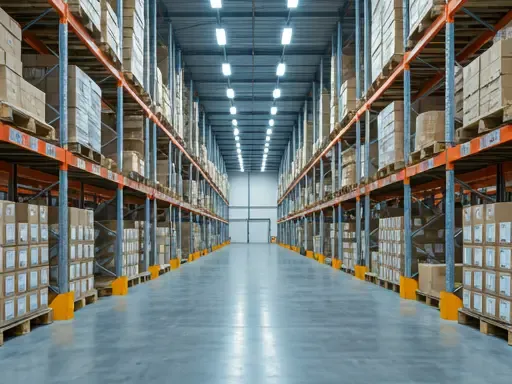
Spirits and wine sit in a dedicated zone with stable racking and standard pallets, cutting unnecessary transfers and tipping
Temperature stability
Wide temperature swings affect in-bottle pressure and taste, so the ask is usually a steady band rather than a cold one
The climate-controlled zone holds a set range with continuous monitoring and out-of-range alarms; logs can be exported
Light and packaging
Light degrades the wine and its packaging, and high in-bottle pressure means stricter dividers and outer-carton strength
The zone can be kept dark; carton opening and stacking follow the brand owner's spec, and damage is isolated
Bonded flow, labels and batches
Imported sparkling wine often enters bonded first so duty is deferred; prepackaged alcohol needs a Chinese label and batch details that map to the SKU
Bonded storage covers deferral and lot-by-lot release, in-zone labeling and rework, and WMS ledgers by batch and certificate number