Coffee Storage in Shanghai

Coffee Storage in Shanghai

Green beans at controlled temperature and humidity · roasted beans kept from light and oxygen · segregated, odour-free bays · bonded duty deferral

Why green and roasted beans should not share an ordinary ambient bay

Green coffee is an agricultural product: its moisture content decides the cup, and it suffers from damp and heat. Roasted coffee keeps losing aromatics and is vulnerable to oxygen and light. An ordinary ambient bay cannot hold humidity down or keep odours out.

Ordinary ambient bay
Yunxiu temperature-controlled bay
Humidity
Sustained rainy-season humidity; green beans can mould and attract insects
Humidity regulated at 40-60%, backed by regular sampling
Temperature
Summer heat accelerates quality loss directly
Settable across 10-25℃, ±2℃ precision, alarms on deviation
Odours
Shared with scented cargo; green beans absorb taints very easily
Segregated bays, kept clear of strong-smelling goods
Light
Direct light speeds oxidation and aroma loss in roasted beans
Stored away from light
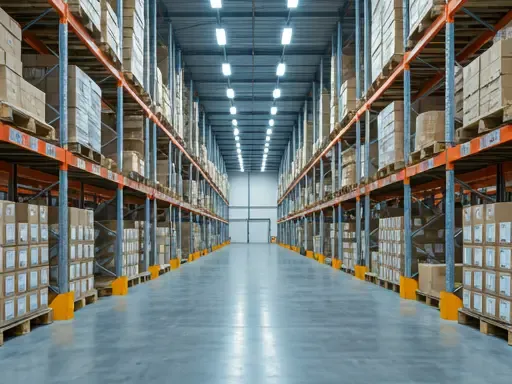
Temperature-controlled storage for green coffee beans

Bay conditions for coffee

Green beans are about humidity and airflow; roasted beans are about light and sealing. Both can be managed at one site, in separate areas. Below are the conditions of the bays we can lease today — compare them with your spec line by line.

Adjustable temperature
Temperature-controlled bays are settable across 10-25℃ with ±2℃ precision; roasted beans that only need a cool, dark spot can use the ambient bays (4,170㎡ bonded / 1,500㎡ non-bonded).
Humidity under control
Humidity in the temperature-controlled bays is regulated at 40-60%, lowering the risk of damp, mould and insects in green beans.
Segregated bays
Green beans, roasted beans and strong-smelling cargo are stored apart; bulk lots and small specialty lots are split so bags are opened less often.
Monitoring and logs
Temperature and humidity are monitored 24/7 and logged alongside regular sampling and moisture readings, exportable for reconciliation and audit.

In-zone rebagging and Chinese labelling

Green beans can be rebagged in the zone, while roasted beans, drip bags and liquid coffee can take Chinese labels and be kitted — all inside the zone, so goods do not cross in and out repeatedly.

  1. Review

    Check label copy, layout and imported food labelling requirements.

  2. Print

    Traceable labels printed per batch, so batches do not get mixed up.

  3. Apply or rebag

    Labels hand-applied; green beans rebagged to order, with every bag tied back to its batch.

  4. Re-inspect

    Sampled for labelling and repacking quality; anything below spec is corrected on the spot without leaving the zone.

Sorting, kitting and re-cartoning can run alongside; the work area sits next to temperature-controlled storage, so coffee spends less time in ambient air.

See bonded labelling and kitting

Batch management and defect segregation

Green beans are booked by arrival batch, origin and moisture content; roasted beans by roast date and shelf life. Damp, mouldy and torn bags are isolated and never returned to good stock.

WMS account fields

  • Arrival batch numbers booked separately, mapped to origin and crop year
  • Roast dates and shelf life searchable, supporting first-roasted-first-out
  • Moisture and sampling records attached to the batch

Moisture damage and rejected flow

  • Damp, mouldy and torn bags are picked out and isolated
  • Rejected units can be returned or destroyed after bonded declaration
  • Good-stock ledgers stay clean when rejects are held separately

Four customs steps for coffee

Green beans held in bonded storage, roasted beans stocked under bond; HS codes and documents are checked up front, duty settled on exit.

  1. Bonded entry declaration

    Certificate of origin, phytosanitary certificate, invoice, packing list, contract and batch records, all in place on entry.

  2. Piecemeal exit

    Withdrawals by order with consolidated declaration; duty and VAT settled on release.

  3. Return or re-export

    Unroasted green beans can be returned or re-exported without paying import duty.

  4. Inspection and quarantine

    We support customs inspection and imported food inspection and quarantine, providing temperature-humidity and sampling records as needed.

Available alongside

  • Cargo and storage insurance
  • Document pre-check
  • Imported food consignee registration advisory
  • Chinese label compliance pre-check

Need a coffee storage plan in Shanghai?

Tell us whether it is green or roasted coffee, the packaging format and the lot size. We advise on storage and repacking based on moisture content, temperature-humidity requirements and your exit schedule.

Warehouse resources

3 matching zones

YX-BONDEDHONGQIAO

Import Bonded Warehouse

For goods requiring bonded storage and coordinated inbound and outbound procedures. Confirm the plan against customs status, destination and handling needs.

Zone area
4,170 m²

Available space, minimum rental area and pricing are confirmed on request.

View zone →
YX-GENERALHONGQIAO

General Warehouse

For ordinary goods that do not require bonded supervision. Plan storage around packaging, turnover and delivery requirements.

Zone area
1,500 m²

Available space, minimum rental area and pricing are confirmed on request.

View zone →
YX-TEMP-CONTROLLEDHONGQIAO

Temperature & Humidity Controlled Warehouse

For goods with defined temperature and humidity requirements. Setpoints can be adjusted; confirm cargo specifications and operating conditions before receiving.

Zone area
1,000 m²
Temperature range (adjustable)
10-25℃

Available space, minimum rental area and pricing are confirmed on request.

View zone →
Warehouse knowledge center →