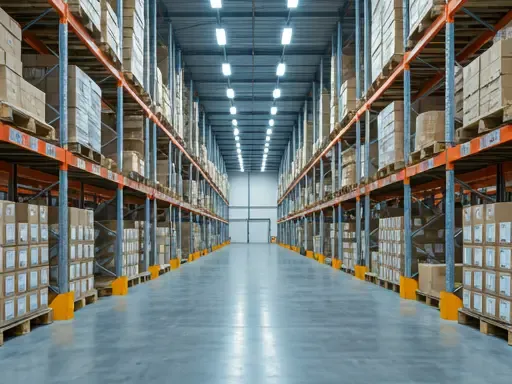
Craft Beer Warehousing

Craft Beer Warehousing

Light-protected storage · Climate zone settable at 10-25℃ · Chinese labeling and batch control · Bonded tax deferral

Why Craft Beer Should Not Sit in an Ordinary Ambient Zone

This category normally needs light protection, a steady temperature and separation from vibration and strong odours. Hop compounds are light-sensitive, and an ordinary ambient zone cannot hold its conditions through heat waves and the plum-rain season, so longer storage tends to affect flavour.

Ordinary ambient zone
Yunxiu climate-controlled zone
Temperature
Drifts with the seasons and dock doors; flavour fades faster in hot spells
Settable at 10-25℃, precision ±2℃, alerts on excursion
Humidity
Humidity spikes in the plum-rain season; cartons and labels soften
Humidity held at 40-60% automatically, with records kept
Light
Direct light at windows and doors can cause light-struck off-flavours
Stored away from light to limit its effect
Vibration and odour
Frequent handling shocks, and strong-smelling cargo stored alongside
Separate zoning, no mixing with strongly scented goods, dedicated handling area
Craft beer climate-controlled storage in operation

Zone Conditions for Craft Beer

Craft beer comes down to three things: light, temperature stability and odour isolation. Below are the leasable zone types we currently have, to be checked line by line against your goods.

Settable climate control
The climate-controlled zone is settable at 10-25℃ with precision ±2℃; goods that only need a cool, dark place can use the ambient zone types (bonded 4,170㎡ / non-bonded 1,500㎡).
Light-protected storage
No direct light in the zone, and goods can be given light-blocking outer packaging to limit the effect on hop compounds.
Automatic humidity control
Humidity in the climate-controlled zone is held at 40-60% automatically, cutting the risk of cartons and labels softening.
Monitoring and logs
24/7 temperature and humidity monitoring with retained records, available for internal audit, claims and customer reconciliation.

Chinese Labeling and Simple In-Zone Work

Imported pre-packaged beer can have Chinese labels applied, cartons changed and goods sorted inside the zone; label wording and layout are checked first against your product and import requirements.

  1. Pre-check

    Check Chinese label wording, layout and the labelling rules for imported pre-packaged food.

  2. Print

    Print traceable labels by batch to avoid mixed labelling.

  3. Apply

    Hand application, controlling placement and flatness without covering key original label information.

  4. Re-inspect

    Sample-check label quality; anything failing is corrected on the spot, inside the zone.

Cartons can be changed, goods sorted and kits assembled at the same time; labelling is linked with climate-controlled storage so goods spend less time at ambient temperature.

See bonded labeling and kitting

Batch Control and Defect Isolation

The WMS keeps separate accounts by batch, production date, shelf life and SKU; torn cartons, leaks and deformed goods are isolated and never returned to good stock.

WMS account fields

  • Each batch number is booked separately so batches never mix on release
  • Production date and shelf life are searchable, supporting sell-through and expiry alerts
  • Certificate-of-origin numbers map one-to-one with SKUs

Route for damaged and defective goods

  • Torn cartons, leaks and deformed goods are picked out on inbound and outbound, and isolated
  • Defective goods can be returned or destroyed after declaration under bonded goods rules
  • Goods accounts stay unaffected by defective stock

The Four Customs Steps for Imported Craft Beer

From inbound entry to second-line release, returns and inspection support, documents can be pre-checked to cut waiting time outside the zone.

  1. Inbound entry declaration

    Certificate of origin, invoice, packing list and contract, plus production date and batch data, all in place before entry.

  2. Second-line release

    Release in batches against consolidated declaration, after duty and VAT are settled.

  3. Return and re-export

    Unsold batches can be returned or re-exported without import duty.

  4. Inspection and quarantine

    Support for customs inspection and imported food inspection and quarantine, with storage and climate records provided as needed.

Can also be arranged

  • Cargo and storage insurance
  • Document pre-check
  • Imported food consignee filing advice
  • Chinese label compliance pre-check

Need a craft beer warehousing plan?

Tell us the category, packaging format and climate requirements, and we will check them line by line against the zone conditions we have, then advise on storage and handling.

Warehouse resources

3 matching zones

YX-BONDEDHONGQIAO

Import Bonded Warehouse

For goods requiring bonded storage and coordinated inbound and outbound procedures. Confirm the plan against customs status, destination and handling needs.

Zone area
4,170 m²

Available space, minimum rental area and pricing are confirmed on request.

View zone →
YX-GENERALHONGQIAO

General Warehouse

For ordinary goods that do not require bonded supervision. Plan storage around packaging, turnover and delivery requirements.

Zone area
1,500 m²

Available space, minimum rental area and pricing are confirmed on request.

View zone →
YX-TEMP-CONTROLLEDHONGQIAO

Temperature & Humidity Controlled Warehouse

For goods with defined temperature and humidity requirements. Setpoints can be adjusted; confirm cargo specifications and operating conditions before receiving.

Zone area
1,000 m²
Temperature range (adjustable)
10-25℃

Available space, minimum rental area and pricing are confirmed on request.

View zone →
Warehouse knowledge center →