Imported Food Storage

Imported Food Storage

We check Chinese labeling, shelf life and first-in-first-out, odour isolation and climate control against what we actually run, then match you to a bonded or climate-controlled zone.

Why imported food is not only about the price per pallet

Imported food covers a wide range — biscuits, oils and grains, sauces, nuts, drinks — and their storage needs differ. What they share: compliant Chinese labels, shelf life you can actually count, and first-in-first-out outbound. Ambient sheds fail most often in the damp and hot seasons.

Plain ambient shed
Yunxiu climate-controlled zone
Temperature
Drifts with the season and dock doors; heat speeds up oil oxidation
Set at 10-25℃, ±2℃ control precision, 24/7 monitoring
Humidity
High in the wet season; biscuits and powders soften
Humidity 40-60% with automatic control
Odour and mixing
Shared with general cargo; food picks up odours
Zoned by warehouse type; placement confirmed per batch
Shelf life and batch
Dates watched by hand; short-dated stock piles up
WMS ledgers by batch and shelf life; outbound checked first-in-first-out
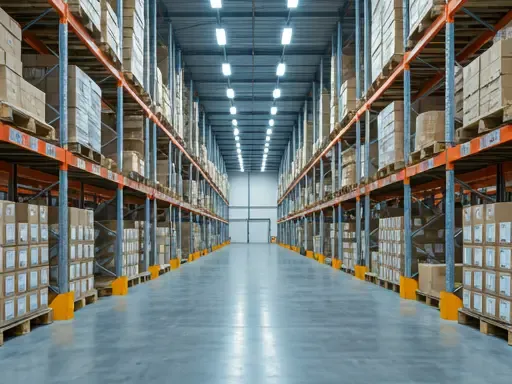
Storage and sorting floor inside the bonded warehouse

Zone conditions, site and credentials

Every figure below comes from our published facts, so you can work through it line by line. Where a condition does not fit, we say so plainly.

Climate-controlled zone
1,000m², temperature set at 10-25℃, humidity 40-60% with automatic control, ±2℃ control precision, 24/7 monitoring.
Bonded and non-bonded zones
4,170m² bonded and 1,500m² non-bonded. If the domestic sale is not decided yet, bonded storage defers duty and VAT until the goods move out or across to the non-bonded zone.
Site
Hongqiao Bonded Logistics Center (Type B) Ⅲ-F09, with customs officers based in the park.
Credentials
AEO Advanced Certification, ISO9001, Customs-supervised warehouse.

Chinese labeling and shelf-life work we do in-zone

Chinese labels and shelf-life data for imported food normally have to be handled on site. These are the four steps we take on; your label copy and declaration requirements set the detail.

  1. Review

    Check the Chinese label copy, ingredient list and date marking against imported-food labeling rules.

  2. Print

    Print labels by batch number and pack size so lots never get mixed.

  3. Apply

    Applied by hand in-zone, clear of key pack information, with consistent placement.

  4. Recheck

    Spot-check labels and date coding. Failures are fixed in-zone, not returned.

Sorting, kitting and delivery handover run in the same window, timed around the outbound declaration.

See bonded labeling and kitting

Shelf life, batch and defect control

Food ledgers have to reach batch and shelf-life level. Keeping short-dated stock moving is what keeps write-offs down.

WMS ledger fields

  • Batch number and production date tracked per line to stop mixed outbound lots
  • Shelf life is searchable, and picking follows first-in-first-out
  • Remaining shelf life is filterable, so the next move can be planned early

Damage and defect path

  • Inbound and outbound picking; leaks and damage isolated
  • Defects can be declared, returned or destroyed, never returned to good stock
  • Good-stock ledgers stay clean of defect lines

Four customs steps for imported food

From inbound warehousing to outbound declaration, documents and labels can be pre-reviewed in the same pass. Filing and registration rules follow current customs and market-regulation notices.

  1. Inbound warehousing declaration

    Bill of lading, invoice, packing list, contract and health or origin certificates enter together as the category requires.

  2. Bonded storage

    Held in the zone in bulk with duty and VAT deferred; the ledger is kept by batch.

  3. Outbound declaration

    Declared out once the domestic sale is settled, released after duty is paid in batches or per order.

  4. Labeling and inspection support

    Chinese labeling is completed before release, and we support customs inspection and sampling.

Can be handled together

  • Label compliance pre-review
  • Document pre-review
  • Imported-food consignee filing advice
  • Sorting, delivery and warehouse trusteeship handover

Imported food storage FAQ

Does imported food have to go into a bonded warehouse?
No. If the domestic sale is undecided, or you want to defer duty, bonded storage usually comes first. Once duty is paid, or for goods bought domestically, the non-bonded zone works. Current customs rules decide.
How do Chinese labels and consignee filing work?
Consignee filing and label compliance sit with the importer. We handle label review, printing, application and rechecking in the warehouse; check current customs notices for filing requirements.
How do you keep first-in-first-out in place?
Production date and shelf life are recorded per batch, and outbound picking is checked against first-in-first-out with a generated pick order. You can also set how strict that check should be.
Can you store temperature-sensitive food?
It can go into the climate-controlled zone, set at 10-25℃ with humidity 40-60% on automatic control. If your category needs a lower chilled or frozen temperature, tell us first and we will say plainly whether we can take it.


Need an imported food storage plan?

Tell us the category, shelf-life profile and temperature band. We will map inbound, Chinese labeling and outbound per batch.

Warehouse resources

3 matching zones

YX-BONDEDHONGQIAO

Import Bonded Warehouse

For goods requiring bonded storage and coordinated inbound and outbound procedures. Confirm the plan against customs status, destination and handling needs.

Zone area
4,170 m²

Available space, minimum rental area and pricing are confirmed on request.

View zone →
YX-GENERALHONGQIAO

General Warehouse

For ordinary goods that do not require bonded supervision. Plan storage around packaging, turnover and delivery requirements.

Zone area
1,500 m²

Available space, minimum rental area and pricing are confirmed on request.

View zone →
YX-TEMP-CONTROLLEDHONGQIAO

Temperature & Humidity Controlled Warehouse

For goods with defined temperature and humidity requirements. Setpoints can be adjusted; confirm cargo specifications and operating conditions before receiving.

Zone area
1,000 m²
Temperature range (adjustable)
10-25℃

Available space, minimum rental area and pricing are confirmed on request.

View zone →
Warehouse knowledge center →