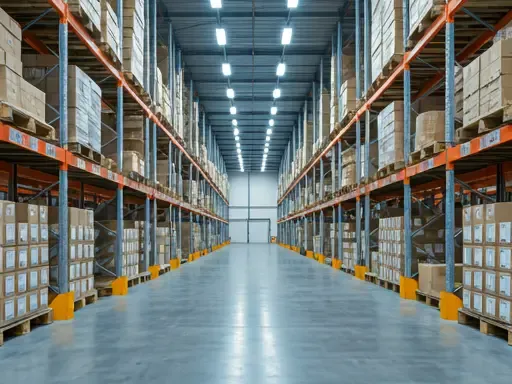
Luxury Goods and Accessory Storage in Shanghai

Luxury Goods and Accessory Storage in Shanghai

Temperature-controlled bays from 22–25℃ · humidity regulated at 40-60% · light-protected segregated bays · item-level records and bonded duty deferral

Why handbags and accessories should not sit in an ordinary ambient bay

Leather, suede and textile accessories are highly sensitive to moisture, and the rainy season is when mould spots appear. Metal hardware corrodes in damp air, and leather stiffens when it dries out in heat. High value also means tighter security and unit-by-unit traceability. A plain ambient bay controls none of these.

Ordinary ambient bay
Yunxiu bay conditions
Humidity
Rainy-season spikes; leather takes on moisture and mould spots appear
Humidity in the temperature-controlled bay regulated at 40-60% and logged
Temperature
Summer heat and seasonal swings; leather dries out and coatings and adhesives age faster
maintained at 22–25℃, alarms on deviation
Stacking and deformation
Cartons stacked on each other; handles crease and hardware scratches
Placed by SKU and packed piece by piece; shape-sensitive styles can be laid out separately, confirmed at the planning stage
Traceability
Counted by carton; serial and authentication codes are hard to reconcile unit by unit
Item-level booking, checked piece by piece on dispatch

The left column describes what this category typically runs into in a plain ambient bay; the right column is the corresponding condition available on our site today. Check both against your own product requirements before booking.

Climate-controlled storage for luxury goods and accessories

Bay conditions for luxury goods and accessories

This category typically calls for stable humidity, a cool environment away from direct light, traceable item records and a controlled handling route. Below are the conditions of the bays we can lease today; compare them line by line with your goods.

Climate under control
Climate bays maintained at 22–25℃ and humidity held at 40-60%; cartons and packing that only need a cool dry spot can use the ambient bays (4,170m² bonded / 1,500m² non-bonded).
Dark and dust-free
Goods are stored away from direct light to limit long-term effects on leather and coatings; the dust-control method (bags, covers and so on) is confirmed against your goods at the planning stage rather than promised up front.
Logged monitoring
Temperature and humidity in the temperature-controlled bay are monitored 24/7 and logged; in-and-out movements and stock changes are booked line by line in WMS, and stock and handling records can be provided for reconciliation.
Unit-level ledger
Batches of one SKU are booked separately, with serial or authentication codes held per piece to support dispatch checks.

Four checkpoints from receipt to shelf

For high-value cargo the priorities are checking piece by piece, keeping the shape intact and leaving a trace at every step. These are the checkpoints we can support; the split of responsibility follows the contract.

  1. Goods-in inspection

    Piece count, carton marks and condition checked against the packing list, with exceptions photographed on the spot.

  2. Unit ledger

    Serial or authentication codes logged piece by piece into a unit ledger and reconciled with your list.

  3. Zoned shelving

    Shelved by SKU and batch, with crush-sensitive styles laid flat separately to cut compression and rubbing.

  4. Dispatch check

    Picked piece by piece to instruction, count and order number re-checked before sealing, handover note travelling with the goods.

Unpacking, repacking and relabelling can be done in-zone, with working hours agreed in advance.

See bonded labelling and kitting

Leather watchpoints and a site checklist

For high-value categories the risk sits in two places: the environment and the movement of goods. The left column lists what this category usually worries about; the right column is what to check when you inspect a warehouse.

Category risk

  • Plated hardware spots once damp, and bare-hand contact leaves marks
  • Bodies mark under load and hardware scratches against itself
  • Sharing a bay with fragrance or smoked goods transfers odour

Check on site

  • Whether 45–55% RH holds steady, since damp leather spots with mould
  • Whether unit-level booking and piece-by-piece dispatch checks actually happen
  • Whether access routes, insurance and liability are written into the contract

Four customs steps while the goods stay bonded

Bonded goods may not be dealt with freely inside the zone; movements and ledgers follow customs rules, and documents can be pre-checked.

  1. Entry booking

    Certificate of origin, invoice, packing list, contract and style list all present, with the ledger booked as customs requires.

  2. Partial release

    Released in order-sized lots against a consolidated declaration once duty is settled.

  3. Display and onward transfer

    Goods leaving for display follow bonded display-trading filing and guarantee rules; unsold pieces can be returned or re-exported.

  4. Stocktaking support

    We support scheduled checks and stocktakes with ledgers, movement records and explanations of discrepancies.

Arranged with storage

  • Transit and storage cover
  • Document pre-review
  • Repacking and relabelling
  • Display-trading paperwork advice

Choosing a site, Q&A

How are security and liability handled for high-value goods?

This category typically calls for a restricted handling route, camera coverage and explicit insurance and liability terms. We can explain how the site is managed and put the split of liability, who insures and the claims process into the contract; the exact terms are confirmed by both sides.

Can handbags and accessories be stored in a bonded warehouse, and what is payable on exit?

What a bonded warehouse may hold follows the commodity categories approved by customs, so the category is checked against admission requirements before entry. When goods exit the zone into the domestic market they are declared and the applicable taxes are paid; the rate and dutiable value are determined by customs, and we make no tax commitment.

With many SKUs and mixed batches, how is stock reconciled?

Accounts can be kept separately by SKU, batch and item level, with serial numbers or authentication codes recorded per unit. Stock is counted on a cycle and stock and movement records are provided; surpluses and shortages are explained and handled as customs requires.

Need a storage plan for luxury goods or accessories?

Tell us the category, unit value and packaging, and we will compare each point against the zones we run today.

Warehouse resources

3 matching zones

YX-BONDEDHONGQIAO

Import Bonded Warehouse

For goods requiring bonded storage and coordinated inbound and outbound procedures. Confirm the plan against customs status, destination and handling needs.

Zone area
4,170 m²

Available space, minimum rental area and pricing are confirmed on request.

View zone →
YX-GENERALHONGQIAO

General Warehouse

For ordinary goods that do not require bonded supervision. Plan storage around packaging, turnover and delivery requirements.

Zone area
1,500 m²

Available space, minimum rental area and pricing are confirmed on request.

View zone →
YX-TEMP-CONTROLLEDHONGQIAO

Temperature & Humidity Controlled Warehouse

For goods with defined temperature and humidity requirements. The temperature-controlled warehouse guarantees 22–25°C; confirm cargo specifications and operating conditions before receiving.

Zone area
1,000 m²
Temperature range (adjustable)
22–25℃

Available space, minimum rental area and pricing are confirmed on request.

View zone →
Warehouse knowledge center →