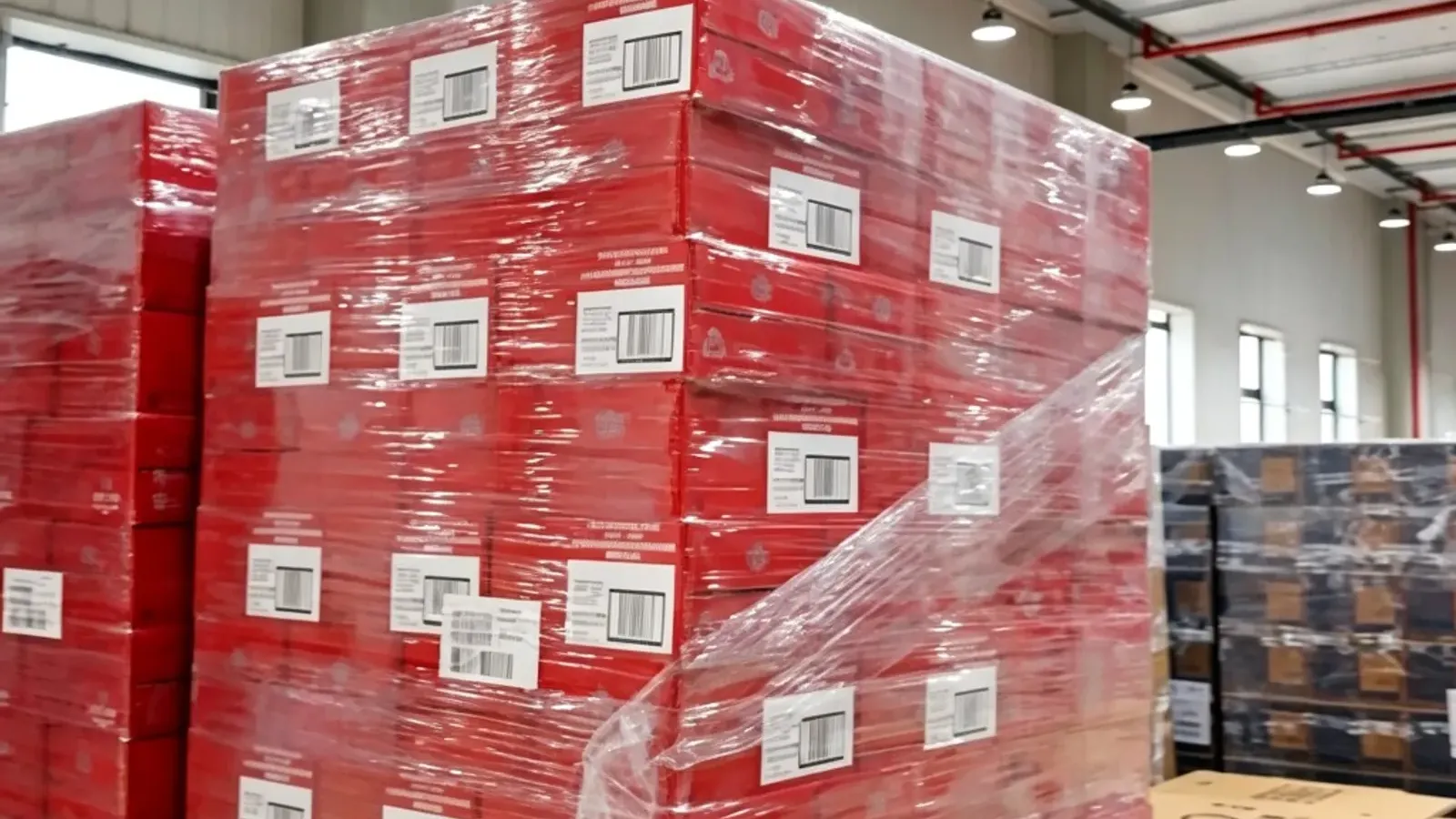
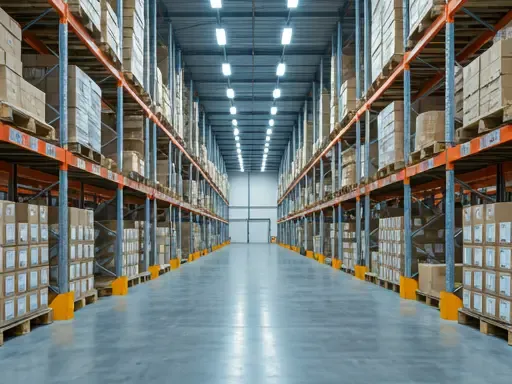
Baijiu and spirits — whisky, brandy, rum and the rest — are not as demanding on low temperature as fine wine, but they are just as sensitive to light, temperature swings and batch records. Below are the four points this category usually turns on, with the conditions you can check them against.
What the category usually needs
Conditions you can check
Light
Light speeds up changes in the liquid and the packaging, so shippers usually ask for dark storage
Wine and spirits can sit in a light-protected zone, clear of direct light at dock doors and windows, and stay in original or light-blocking cartons
Temperature stability
Heat and repeated swings speed up evaporation and stress closures, so the ask is usually a steady temperature rather than simply a cold one
The climate-controlled zone holds a set range with continuous monitoring and out-of-range alarms; logs can be exported
Bonded flow and release
Imported spirits usually come in bonded first so duty is deferred, then get cleared in lots as they actually sell
Bonded storage covers deferral and lot-by-lot release; clearance or re-export routes are confirmed against the real goods flow
Chinese labels and batches
Prepackaged imported alcohol needs a Chinese label, and batch and bottling details must map to the SKU
Chinese labeling, rework and outer-carton swaps run in the zone; WMS ledgers track batch, bottling date and certificate of origin number