Shanghai Tea Storage: Conditions to Check

Shanghai Tea Storage: Conditions to Check

Light protection, odor isolation and stable temperature and humidity are the three baselines for tea. We set out what the category normally needs, then compare it with our zones line by line.

Tea Storage Is Not Just Floor Space

Tea readily absorbs odors and moisture, and one incident is usually irreversible. Confirm first whether light protection, odor isolation and climate control can hold at the same time, then discuss capacity and price.

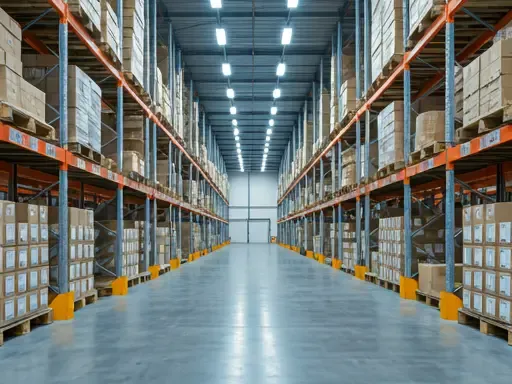
Typical ambient warehouse
Points to verify with the operator
Odor
Stored with chemicals, fragrances or seasonings, odors are absorbed by the tea and cannot be reversed
Whether the zone can be separated, what is stored nearby, how it is cleaned between tenants
Humidity
Humidity swings with the season and dock doors, causing moisture regain and mold
Whether humidity is auto-regulated and continuous records are available
Light
Daylight and overhead lighting accelerate color and aroma loss
Whether goods are stored away from light and door or light hours can be limited
Temperature zone and batches
A single ambient zone with mixed batches makes FIFO hard to enforce
Whether the temperature range covers your tea types and whether the WMS accounts by batch
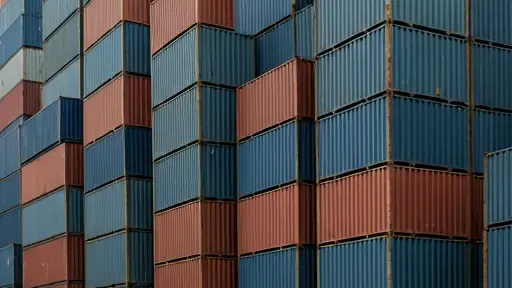
Inside a bonded warehouse zone during operations

Our Current Zone Conditions

The figures below come from our zone fact sheet. Compare them against your tea requirements; where something does not match, we say so up front instead of leaving it to a site visit.

Temperature-controlled zone
Leasable 1,000 m² in the temperature-controlled zone; temperature adjustable (22–25℃), humidity auto-regulated at 40-60%, control tolerance, monitoring 24/7.
Bonded zone
Leasable 4,170 m² for duty-unpaid goods; duty is settled when goods leave the bonded area.
General zone
Leasable 1,500 m² for duty-paid goods and domestic cargo.
Site and certifications
Hongqiao Bonded Logistics Center (Type B), block Ⅲ-F09; AEO Advanced Certification, ISO9001, customs-supervised warehouse.

Chinese labels and dispatch prep

Imported tea needs Chinese labeling under imported food rules. Labels can be pre-checked, printed, applied and re-inspected inside the bonded area, so non-conforming goods are corrected on site instead of being shipped back.

  1. Copy match

    Match tea type, grade, origin and net content on the Chinese label against the original, item by item.

  2. Label preparation

    Labels are prepared per batch, with season and grade never mixed.

  3. Adding labels

    Applied to the tin or bag back, without covering origin or grade on the original.

  4. Final check

    The final check covers lamination and lifting edges; any wrinkled, damp label is replaced.

Compressed tea must state its format (cake, brick, bowl); tea bags must list filter material, and grades such as special must map to the standard.

See labeling and value-added services

Batches, damp and pests

Tea is accounted by batch, production date and origin with FIFO rotation; damp, pest-affected or damaged goods are isolated and never returned to good stock.

Inbound ledger fields

  • Batch and plucking year in the ledger, with seasons kept apart
  • Production date and moisture readings searchable, with FIFO enforced
  • Origin, grade and SKU mapped one to one

Damp, stale note and pests

  • Inbound checks cover damp, mould and crushing; tainted tea is sealed off and never stacked with the rest.
  • Insect-damaged or mouldy stock never shares a bay with sound tea and is held separately pending disposal.
  • Return, destruction or domestic sale is declared by status, with disposal records kept.

Four Customs Steps for Imported Tea

The customs difficulty with tea is certificates, not tariff codes: green, oolong, black and compressed tea differ in origin and phytosanitary requirements, and in what gets tested. Documents are reconciled first, then inbound is booked.

  1. Inbound declaration and phytosanitary certificate

    Origin certificate, phytosanitary certificate, invoice, packing list and contract come in complete; organic tea carries its certification too.

  2. Inspection and sample draw

    We support inspection and sampling, with pesticide residue and heavy metal tests run to current requirements.

  3. Release after duty

    Release is declared by lot once duty is paid, and goods in a shared container can leave on separate entries.

  4. Re-export and destruction

    Mouldy or residue-failing lots go back or are destroyed under bond and never enter domestic circulation.

Tasks that fit one batch

  • Filing document check
  • Phytosanitary certificate pre-check
  • Grade and origin wording check
  • Storage cover top-up advice

Tea storage questions

Does all tea need low-temperature storage?
No. Lightly fermented teas such as green tea and matcha are more sensitive to oxidation and temperature and usually need lower temperatures; fermented and post-fermented teas such as black tea, oolong and pu'er are mostly kept ambient, dark, dry and free of odors. Check the exact range against your category and brand standard, then against the zone setting.
What goes wrong most often in tea storage?
Odor absorption and moisture. Sealed packaging, separated zones and stable humidity decide the loss rate more than floor space does.
Can the temperature-controlled zone be set to our tea requirements?
The temperature-controlled zone has an adjustable temperature and auto-regulated humidity; current figures are listed under zone conditions above. If you need a tighter range or historical records, check with us first.
Can Chinese labeling be done in the warehouse?
Yes. Labels are pre-checked, printed, applied and re-inspected inside the bonded area, and non-conforming goods are corrected on site rather than returned.

Need a Shanghai tea storage plan?

Tell us the tea type, pack and target band; green tea at 0–5°C sits below our 10°C floor and needs separate assessment.

Warehouse resources

3 matching zones

YX-BONDEDHONGQIAO

Import Bonded Warehouse

For goods requiring bonded storage and coordinated inbound and outbound procedures. Confirm the plan against customs status, destination and handling needs.

Zone area
4,170 m²

Available space, minimum rental area and pricing are confirmed on request.

View zone →
YX-GENERALHONGQIAO

General Warehouse

For ordinary goods that do not require bonded supervision. Plan storage around packaging, turnover and delivery requirements.

Zone area
1,500 m²

Available space, minimum rental area and pricing are confirmed on request.

View zone →
YX-TEMP-CONTROLLEDHONGQIAO

Temperature & Humidity Controlled Warehouse

For goods with defined temperature and humidity requirements. The temperature-controlled warehouse guarantees 22–25°C; confirm cargo specifications and operating conditions before receiving.

Zone area
1,000 m²
Temperature range (adjustable)
22–25℃

Available space, minimum rental area and pricing are confirmed on request.

View zone →
Warehouse knowledge center →