Whisky Warehousing in Shanghai

Whisky Warehousing in Shanghai

For importers of bottled whisky. Check ABV, packaging and transport classification, then confirm the site, climate, Chinese back labels and lot records.

Storage conditions for bottled whisky

Whisky is high-value liquor, so long-term storage turns on light protection, stable temperature and humidity, and traceable batches. List the product requirements first, then check them line by line against zone conditions.

Typical risk in ambient storage
Conditions you can check against
Temperature
Seasonal changes and frequent door openings can cause temperature swings that put seals and packaging at risk.
Compare the guaranteed 22–25℃ range with the product specification. Confirm tolerances and how readings will be recorded.
Humidity
Labels curl and lift when too dry; cartons and back-labels dampen when too humid
Compare the 40-60% humidity range with the product specification and agree which records are needed.
Light
Prolonged direct light fades the spirit and the label, eroding gift-box value
Check that storage is out of direct light, especially for clear bottles and printed gift cartons.
Vibration and handling
Frequent rehandling adds knock and leak risk
Check stacking limits and minimise rehandling to protect bottles and cases.
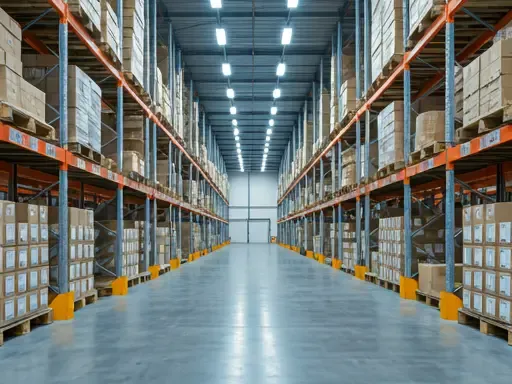
Storage bays at Yunxiu warehouse

Zone conditions available for whisky

The site is Hongqiao Bonded Logistics Center (Type B), Unit III-F09, offering bonded, non-bonded and climate-controlled leasable zones. Confirm the storage requirements first, then the available area and move-in timing.

Controlled climate zone
Hongqiao lists a 1,000 m² climate-controlled zone with a guaranteed 22–25℃ range and 40-60% humidity. Confirm the required setpoint, records and available space for the shipment.
Bonded and non-bonded on one site
Hongqiao lists 4,170 m² of bonded space and 1,500 m² of general storage. Choose according to customs status. Confirm available space and whether bonded storage and the required climate can be provided in the same zone.
Site and handling conditions
Hongqiao Bonded Logistics Center (Type B), Unit III-F09. Acceptance depends on ABV, packaging, quantities and product classification. Yunxiu does not store hazardous chemicals.
Vintage and ledgers
Agree how to record lots, bottling dates and case seals before shipping. Specify whether each cask-numbered bottling needs a separate stock record.

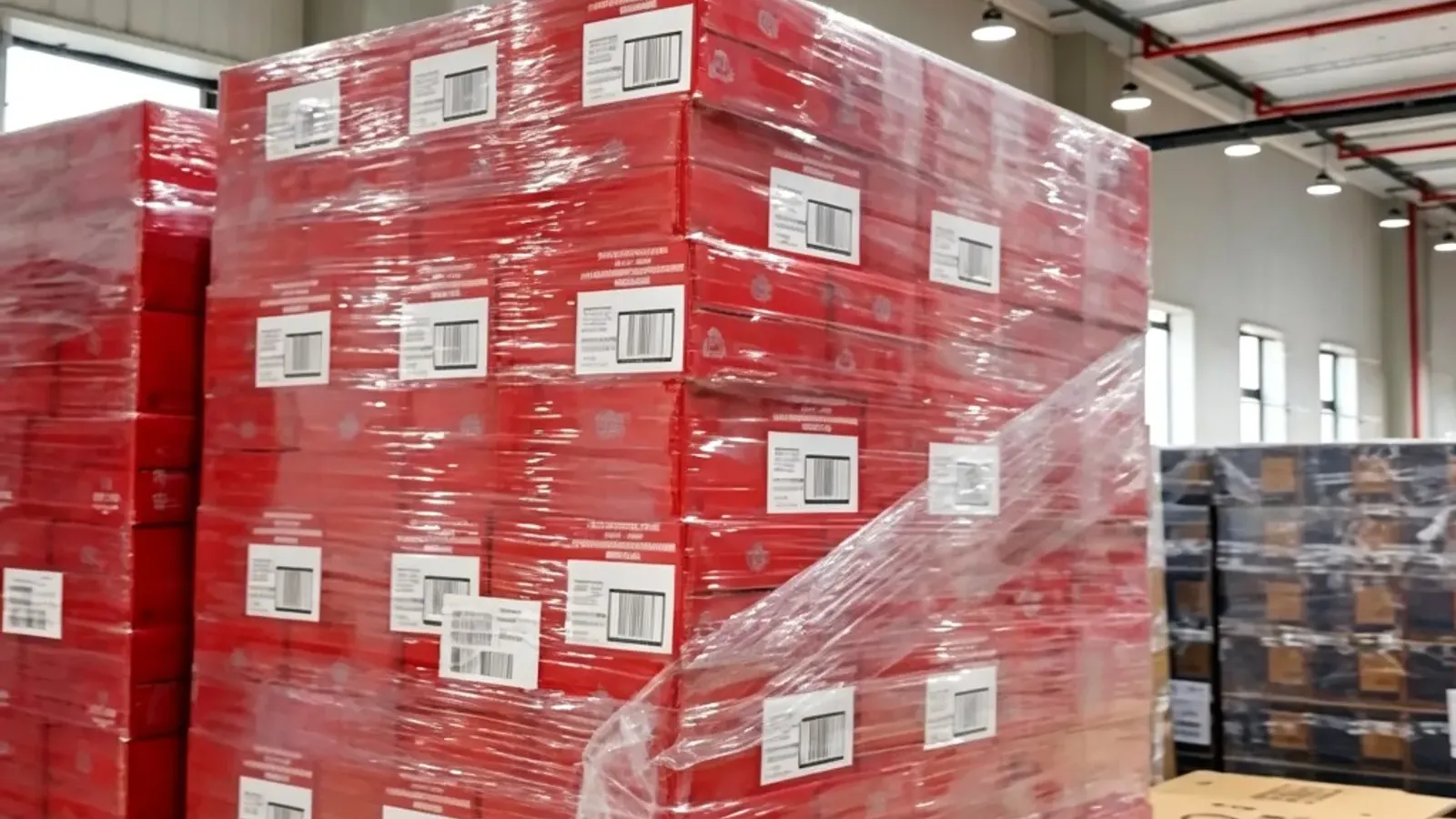
Chinese back labels and warehouse handling

The cargo owner confirms the Chinese back-label requirements and supplies approved artwork. Printing, application and checks are arranged against the confirmed work order and site rules.

  1. Proofing

    Proof the back label age, ABV and country of origin against the original.

  2. Printing

    Print against the approved artwork version for the corresponding lot.

  3. Back label on

    Agree the label position and any original-seal requirements before application.

  4. Re-verification

    Check placement and quantity, and agree how to handle discrepancies.

Cask-strength and standard bottlings may differ in ABV and case format. Use the version the cargo owner approved for each item.

See bonded labeling and kitting

Batch, cask and defect isolation

Agree how to identify lots based on value, packaging and the sales plan. Define who records and isolates breakage or shortages and how those items are handed over.

Shipment records to agree

  • Check the lot number and bottling date. Agree whether different cask numbers need separate records.
  • Specify which age, ABV and cask fields to retain.
  • Match the SKU, carton marks and accompanying documents to the same lot.

Breakage and shortage path

  • Record quantities and packaging condition for breakage, leaks or shortages.
  • Isolate affected goods and agree handling with the cargo owner under the applicable rules.
  • Reconcile available stock and goods on hold before dispatch.

Checks before intake, release and re-export

Confirm the trade route, customs facility and permitted operations, then review the required documents with the importer and customs declarant.

  1. Intake documents

    Reconcile the shipment list, packing list and lot details against the documents needed for the actual intake.

  2. Release by lot

    Plan releases around domestic orders. Declaration and tax treatment depend on the goods and trade route.

  3. Re-export

    If re-export is planned, check the cargo status, documents and applicable customs procedures in advance.

  4. Inspection and lab analysis

    Keep lot and packaging information available. Confirm the actual arrangements with the declarant and receiving site.

Other points to cover in the RFQ

  • Whether separate cargo insurance is needed
  • Whether bottling and lot data need separate fields
  • Document checks and cargo handover responsibilities
  • Matching Chinese back-label artwork to the goods

Need a Shanghai whisky storage plan?

For a quote, share ABV, case format, case or pallet count, arrival date, customs status and any labelling or kitting work.

Warehouse resources

3 matching zones

YX-BONDEDHONGQIAO

Import Bonded Warehouse

For goods requiring bonded storage and coordinated inbound and outbound procedures. Confirm the plan against customs status, destination and handling needs.

Zone area
4,170 m²

Available space, minimum rental area and pricing are confirmed on request.

View zone →
YX-GENERALHONGQIAO

General Warehouse

For ordinary goods that do not require bonded supervision. Plan storage around packaging, turnover and delivery requirements.

Zone area
1,500 m²

Available space, minimum rental area and pricing are confirmed on request.

View zone →
YX-TEMP-CONTROLLEDHONGQIAO

Temperature & Humidity Controlled Warehouse

For goods with defined temperature and humidity requirements. The temperature-controlled warehouse guarantees 22–25°C; confirm cargo specifications and operating conditions before receiving.

Zone area
1,000 m²
Temperature range (adjustable)
22–25℃

Available space, minimum rental area and pricing are confirmed on request.

View zone →
Warehouse knowledge center →