A clear breakdown of how bonded warehouses, overseas warehouses, general warehouses and duty-free channels differ on customs supervision, when duty is paid and which business model each fits. Includes FAQs and Yunxiu's Hongqiao bonded capability.
"Bonded warehouse", "overseas warehouse", "general warehouse" and "duty-free" are often used interchangeably, yet they differ sharply on customs supervision, when duty is paid, and how long goods can be held. Picking the wrong model can tie up cash or simply not fit your compliance premise. This guide separates the four by what importers care about most.
1. Each model in one line
- Bonded warehouse: a customs-approved site inside China, under customs supervision, storing bonded goods. Goods do not pay import duty at entry; duty is paid per order/batch when they actually leave for domestic sale.
- Overseas warehouse: a warehouse abroad serving export e-commerce — stock moved to the destination country and shipped locally. It solves "after export", not domestic import.
- General warehouse: stores duty-paid goods already free to circulate domestically, with no bonded supervision.
- Duty-free: a channel-specific scenario (border, offshore-duty-free, etc.), a different logic from bonded trade/cross-border storage.
Memory aid: bonded = onshore, duty deferred, supervised, pay at outbound; overseas = offshore for exports; general = duty-paid domestic; duty-free = a specific channel.
2. Key differences
| Dimension | Bonded | Overseas | General |
|---|---|---|---|
| Location | In-China supervised zone | Destination country | In-China |
| Duty timing | Per order at outbound | Cleared in import country | Paid before storage |
| Cash use | Low (deferred) | Local clearance | High (duty upfront) |
| Typical use | Import stockpiling, 1210 | Export distribution | Domestic trade |
| Oversight | Customs-linked ledger | Local rules | Standard |
3. When bonded is the right call
Bonded storage usually fits if any of these apply:
- Defer duty, ease cash flow — stock the whole import in a bonded warehouse and pay only as it sells.
- Ship out in batches — uneven sales suit per-order outbound better than clearing duty all at once.
- Need in-zone value-added work — Chinese labelling, kitting and gift boxing for imported wine/cosmetics done in-zone.
- Run 1210 cross-border stockpiling — bulk-stock goods in-zone; on each order, leave, pay cross-border tax and deliver.
On "is bonded dispatch always genuine" — "bonded" only means goods entered and are stored under customs supervision; it does not certify authenticity. Genuine status depends on sourcing and the clearance chain, verifiable via documents.
4. What Yunxiu supports
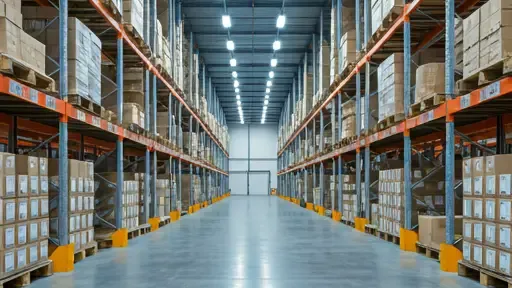
Yunxiu (Shanghai) Information Technology Co., Ltd. operates a customs-supervised warehouse at Hongqiao Bonded Logistics Center (B Bonded), with about 4,170 m² of leasable bonded space, plus 1,500 m² general and 1,000 m² climate-controlled (10-25°C settable, 40-60% RH) — bonded, general and climate storage switchable in one city. We specialise in bonded storage, Chinese labelling and outbound flow for imported wine, cosmetics, supplements, food, mother-and-baby and electronics.
- Explore by industry: Industry Solutions Center (e.g. Red Wine Warehouse Solution, Cross-Border Bonded).
- Exact cost, area and cargo eligibility are quoted per actual assessment — contact us.
FAQ
Is a bonded warehouse the same as a free-trade zone? No. FTZ/bonded zone is a regional policy concept; a bonded warehouse is a specific customs-approved site inside it, registered separately.
How long can goods stay bonded? Bonded goods have a customs-set storage period, extendable on request — a key difference from long-term domestic storage.
Does domestic-only trade need bonded? No. Duty-paid domestic goods suit a general warehouse; bonded's value is the "import—defer duty—ship on demand" chain.