Red Wine Warehouse Solution

Imported red wine is sensitive to temperature swings, light and humidity. Yunxiu offers 10-25°C settable climate-controlled bonded storage with Chinese labelling, batch tracking and duty-paid outbound flow.

Online Consult
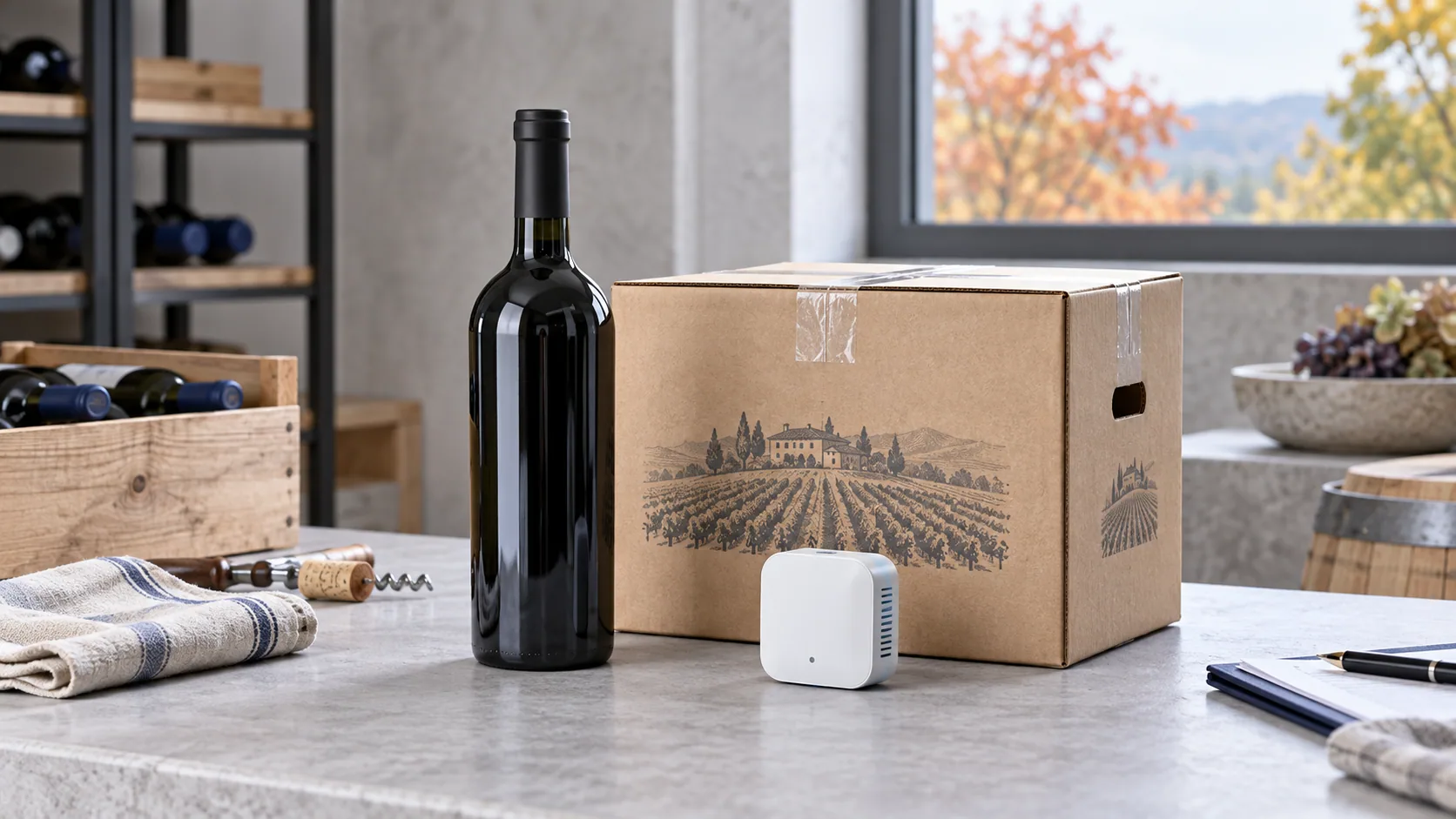
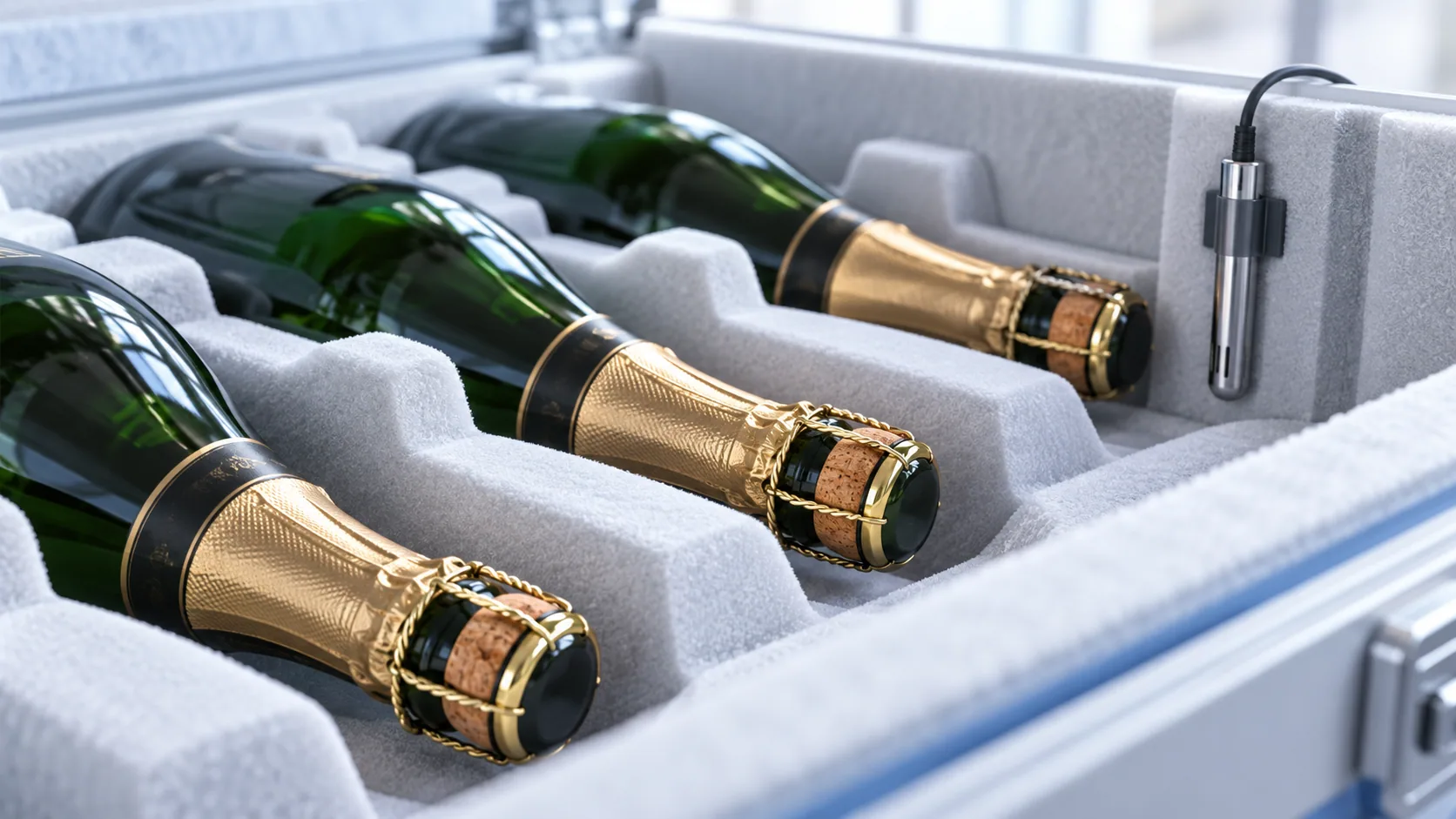
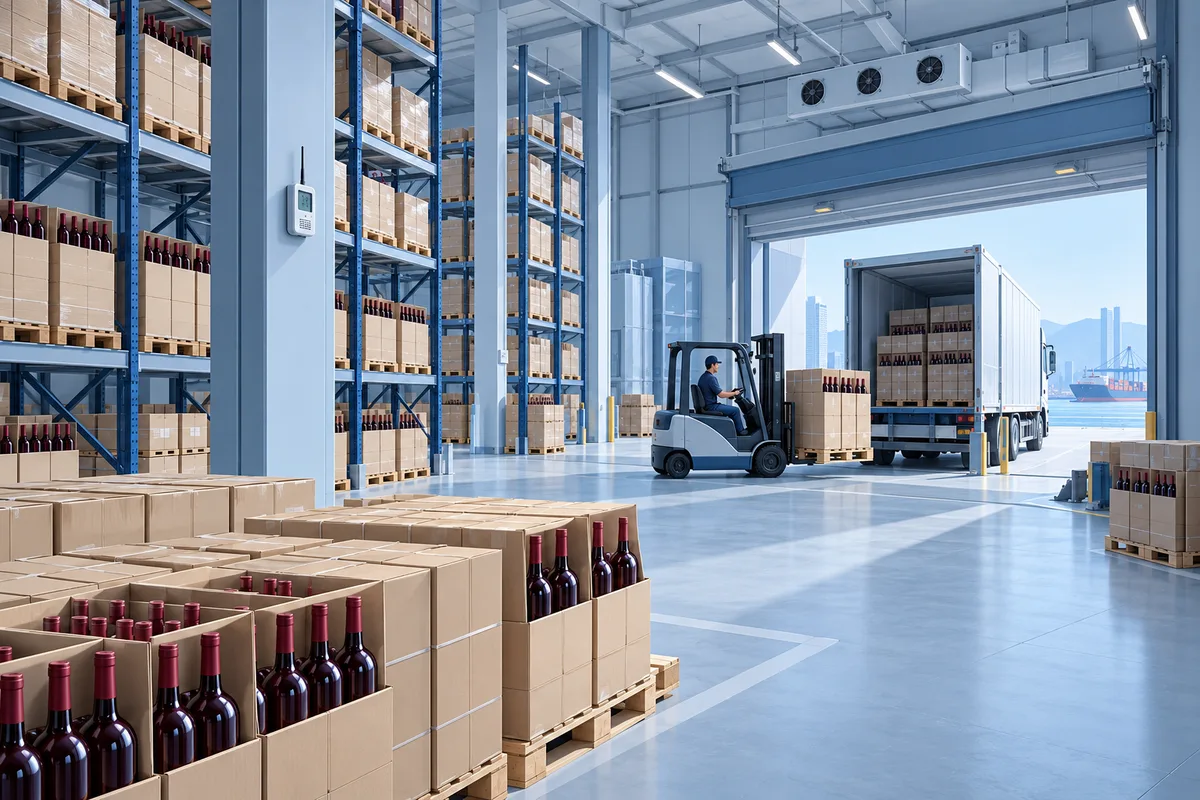
Wine storage, temperature management and dispatch (AI illustration)
Illustrations are hand-drawn editorial schematics depicting the workflow scene, not photographs of an actual facility or operation.

Red wine suffers most from temperature swings, which accelerate ageing and dry out corks; light and dry air also harm it. Importers want stable climate the moment cargo lands, Chinese labels applied, and duty paid only as bottles ship out—exactly what a bonded climate-controlled warehouse delivers.

  1. Receiving
  2. Batch records
  3. Dispatch

Problems we solve

Plan temperature, labelling, duty and batch records together.

  • Temperature swings

    Temperature swings prematurely age wine, damaging value and causing returns and disputes.

    Storage conditions
  • Label rework

    Applying Chinese labels at the port delays clearance and invites rework.

    Labelling services
  • Cash tied up

    Paying all duty upfront locks up cash and raises slow-mover risk.

    Outbound workflow
  • Batch traceability

    Mixed batches and vintages make shelf-life and traceability hard.

    Inventory requirements

Needs we confirm item by item once imported cargo is in the bonded warehouse

After importing from overseas into a bonded warehouse, documents, labelling, storage and outbound stages each generate concrete requirements. This checklist is compiled from real operations, and Yunxiu can coordinate it end to end:

Registrations and filings

  • Overseas manufacturer registration in China (by product category, e.g. food)
  • Domestic importer/exporter filings; e-commerce enterprise, platform and logistics filings where needed
  • Declarant qualifications and customs ledger opening (precondition for bonded entry)
  • Pre-check of product name, composition, packaging and label eligibility

Entry documents and inspection

  • Preparation and check of contract, invoice, packing list and transport documents
  • Official health / free-sale certificates where required
  • Certificate of origin verification for preferential rates
  • Port declaration, customs inspection and sampling; release and bonded entry upon approval

Chinese labelling and packaging

  • Chinese label pre-review and sample production (pre-packaged food per GB 7718 and current standards)
  • In-zone labelling, relabelling and packaging rectification after bonded entry, avoiding port holds
  • Carton and case Chinese information and marks check

Bonded storage and stock control

  • Customs-supervised ledger with linked inventory, auditable and reconciled
  • Climate zone 10-25°C settable (±2°C), 40-60% RH auto-regulated
  • Batch/expiry zoning, FIFO and near-expiry alerts
  • Light protection, odour segregation, pest and moisture control

In-zone value-added services

  • Unloading, tallying, put-away and stocktaking
  • Kitting, disassembly, gift boxing and protective packing
  • Anti-counterfeit/traceability code scanning linked to batch records
  • Defective goods identification, quarantine and ledger entry

Outbound clearance and delivery

  • General trade: per-batch duty-paid outbound with documents handover
  • Cross-border 1210: three-document matching with per-order outbound
  • Pick, verify, pack, e-waybill and last-mile delivery in one flow
  • FTL/LTL line-haul and regional distribution; one pool for e-commerce, retail and stores

Duty and cash-flow planning

  • Bonded entry defers duty and import-stage tax until sale-time outbound, easing cash flow
  • Rates, consumption tax and preference eligibility are assessed by customs
  • Slow-mover dispositions: promotional outbound, re-export/return, supervised destruction

Systems integration and traceability

  • WMS real-time inventory sync across platforms and channels
  • ERP/order-system integration subject to actual assessment
  • Recorded handling with one-item-one-code lot traceability
  • Compliance support documents for customs and origin reviews

Eligibility, tax rates and handling requirements follow customs and competent authority assessment; fees are quoted per actuals.

Storage conditions

Temperature

1,000 m² climate zone: 10-25°C settable, +/-2°C accuracy, 40-60% RH auto-regulated

Light and stacking

Light-protected, vibration-damped palletising, zone by batch/vintage with FIFO

Supervision

4,170 m² bonded space, customs-supervised warehouse with customs-linked ledgers

What we do

  • Bonded entry with customs ledger and inventory-list management
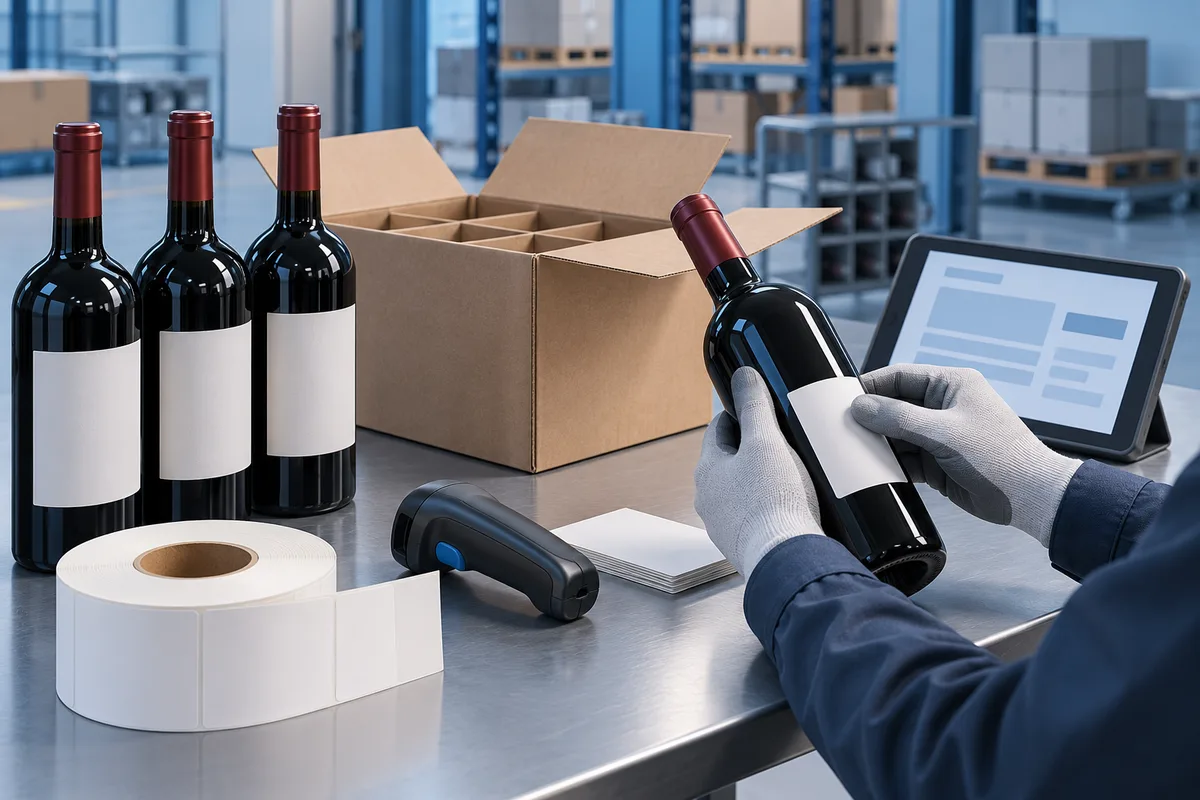
  • In-zone Chinese back-label application and compliance check
  • Batch/vintage zoning, stocktaking and shelf-life control
  • Gift-box kitting, labelling and accompanying documents
  • Per-order duty-paid outbound with port-to-warehouse distribution
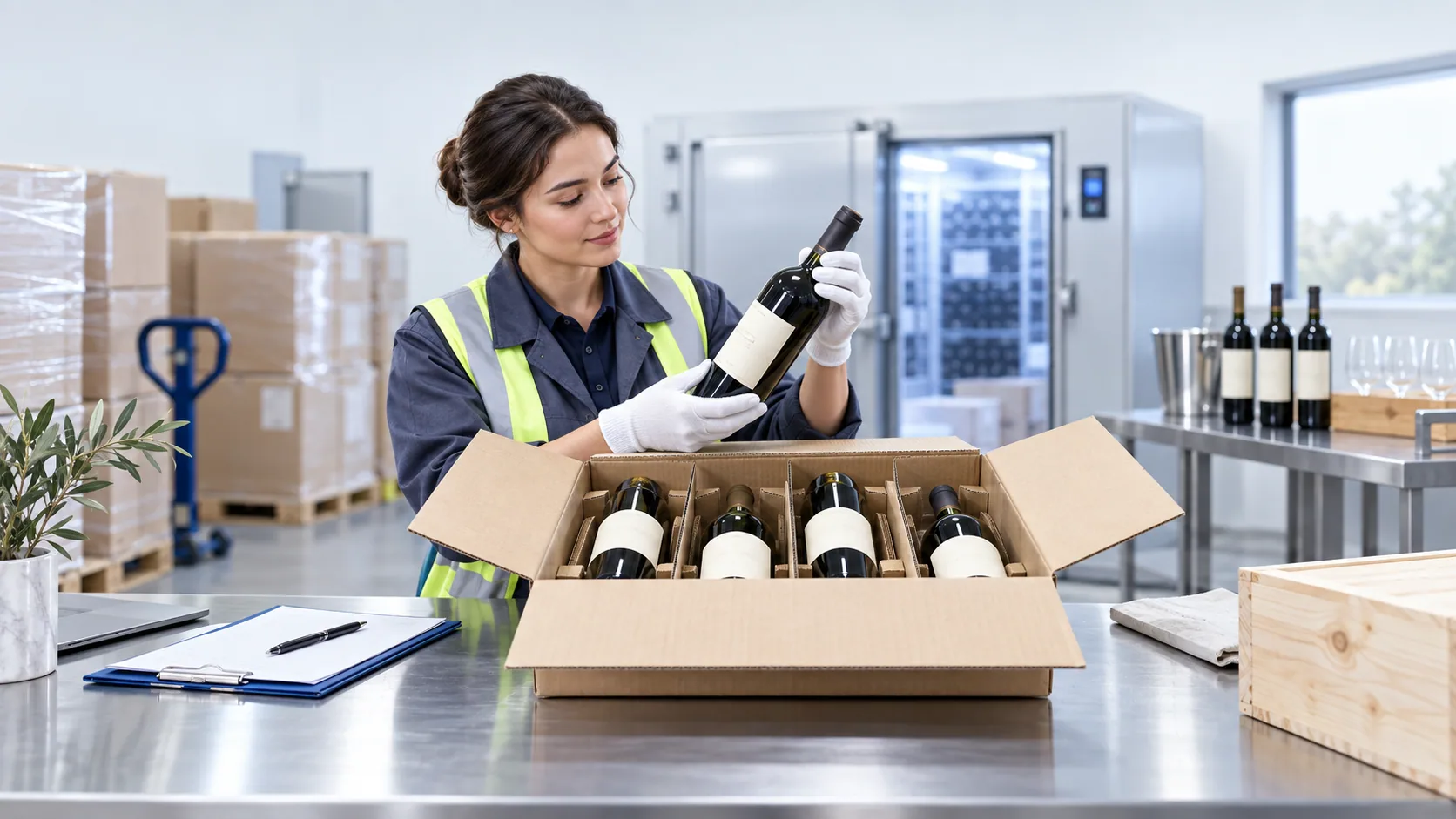
Wine back-label application and packing (AI illustration)
Illustrations are hand-drawn editorial schematics depicting the workflow scene, not photographs of an actual facility or operation.

Typical handling flow

From port arrival to order fulfilment

Coordinate receiving, in-warehouse handling and outbound delivery with batch-level records.
  1. Port discharge

    Confirm arrival information, transport arrangements and the receiving schedule.

  2. Customs and bonded entry

    Coordinate declaration and inspection; verify goods and batches at bonded entry.

  3. Chinese labelling

    Apply the approved label version and link labels to product batches.

  4. Climate bonded storage

    Confirm temperature requirements; organise stock by wine, vintage and batch.

  5. Duty-paid outbound

    Verify orders and outbound documents; coordinate release, checks and delivery.

Diagram: typical handling flow (specifics subject to product assessment and contract).

In-zone value-added services

In-zone back-labelling, kitting, gift boxing and batch/shelf-life registration with traceable, reconciled records.

Customs and compliance

Under bonded mode, duty and consumption tax are paid at outbound sale, easing cash flow; ledgers and inventory lists are coordinated by Yunxiu. Rates and eligibility follow customs assessment.

Frequently Asked Questions

Does red wine need a climate-controlled warehouse? Is ambient bonded fine?

For long storage aim at a stable cool band, light protection and higher humidity; swings harm more than steady heat. High-value or slow-turning stock favours climate-controlled bonded storage; short-turn lower-value may be assessed. Yunxiu climate zones are 10-25°C settable; the exact band depends on the product.

How is imported red wine cleared into a bonded warehouse, and when is duty paid?

A licensed declarant files a bonded entry; goods are inspected and admitted, Chinese labels applied in-zone; at domestic sale/outbound, duty and import-stage tax are declared per order/batch then released. Deferring duty to outbound eases cash flow; rates follow customs assessment.

Why is bonded red wine cheaper? Is it genuine?

Bulk bonded entry lowers per-unit cost and defers duty until outbound, cutting cash use—so total cost can be better. Authenticity depends on sourcing and the clearance chain, not bonded status; a compliant chain is customs-inspected and ledger-auditable.

How is red wine warehouse rental charged?

Typically storage (by area or pallet) plus climate energy, handling (in/out, labelling, kitting) and distribution, varying with volume, term and workload. Yunxiu itemises and quotes per actuals; no fixed prices are listed here.

What information should I provide for an initial wine storage enquiry?

Share the wines and vintages, bottle or case quantities, packaging and pallet specifications, expected arrival, storage period and required temperature and humidity conditions. Include quantities and frequency for labelling, gift kitting or staged deliveries so the storage area, operating plan and itemised quote can be assessed.

Can different wines, vintages and batches be managed separately?

Stock can be organised and recorded by wine, vintage and batch. Product information and quantities are checked at receiving, and outbound quantities are verified against the agreed batches. Confirm any vintage-specific picking, batch selection or dispatch sequence before arrival to avoid mixing stock.

How should damaged cartons, leakage or quantity differences at receiving be handled?

Agree receiving criteria and handover arrangements before arrival. If a discrepancy is found, check cartons, batches, quantities and accompanying records, distinguish affected goods from normal stock, and retain photographs and handover records. Reconciliation, repacking or further handling should follow the owner’s confirmation; responsibility is reviewed against the contract and transport handover terms.

Can Chinese back-labelling and gift-box kitting be arranged together?

Chinese back-labelling and gift-box kitting can be included in one operating plan. Confirm label versions, wines and batches, gift-box specifications, protective packaging and quantities before work starts. The agreed plan sets the work sequence and verification method, with handling charges itemised in the quote.

Can one wine batch be dispatched in stages against separate orders?

Outbound handling can be arranged by order and batch, checking wines, quantities, destination and accompanying documents for each dispatch. Confirm dispatch frequency, order cut-off times, delivery addresses and transport conditions in advance. Timing follows the agreed operating plan and actual release status.

Don't see your industry? Tell us about your cargo

Share category, temperature range and volume, and Yunxiu will assess bonded/climate storage and customs at no cost.